Jackie is an experienced colourist, advising luxury fashion and interior brands for the past 20 years, predicting colour schemes and forecasting colour trends. She has helped the likes of Alber Elbaz to colour the catwalk, merchandised colour for Stella McCartney and forecasted colour for Peclers Paris and Itochu Fashion System.
Today she dyes only with plant based dyestuffs sourced ethically or foraged locally. She networks with other natural dyers and advises industrial mills. Jackie is passionate about the need to detox the colour industry and ensure all pigments become biodegradable to nourish the soil instead of harming the planet.

The Dyers’Circle
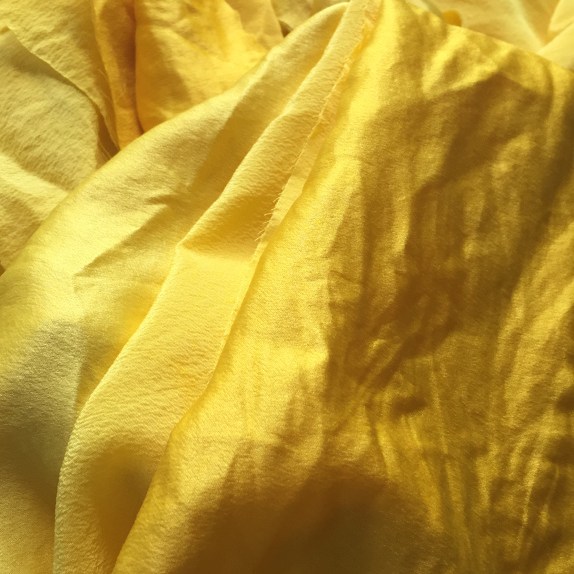
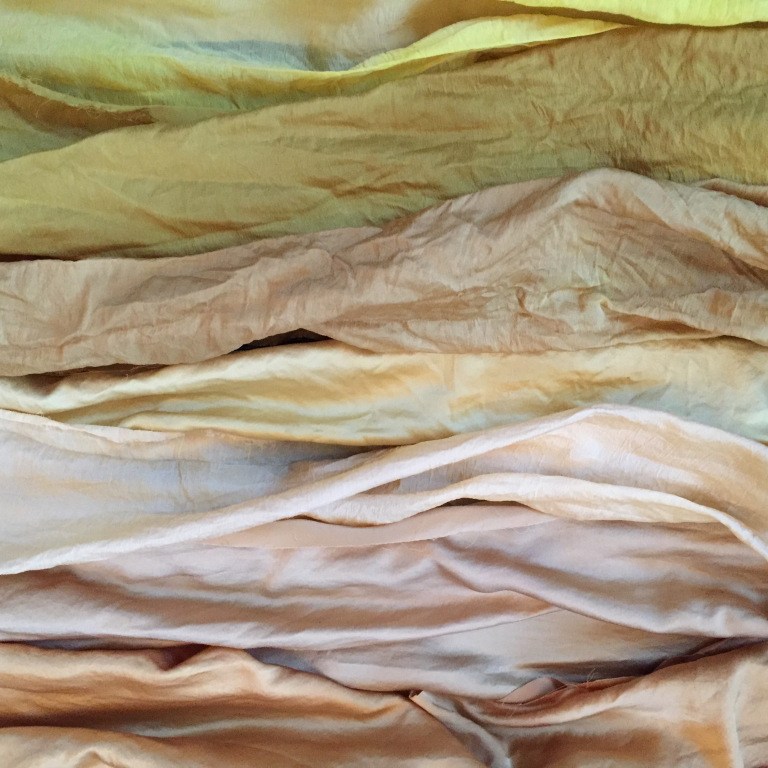
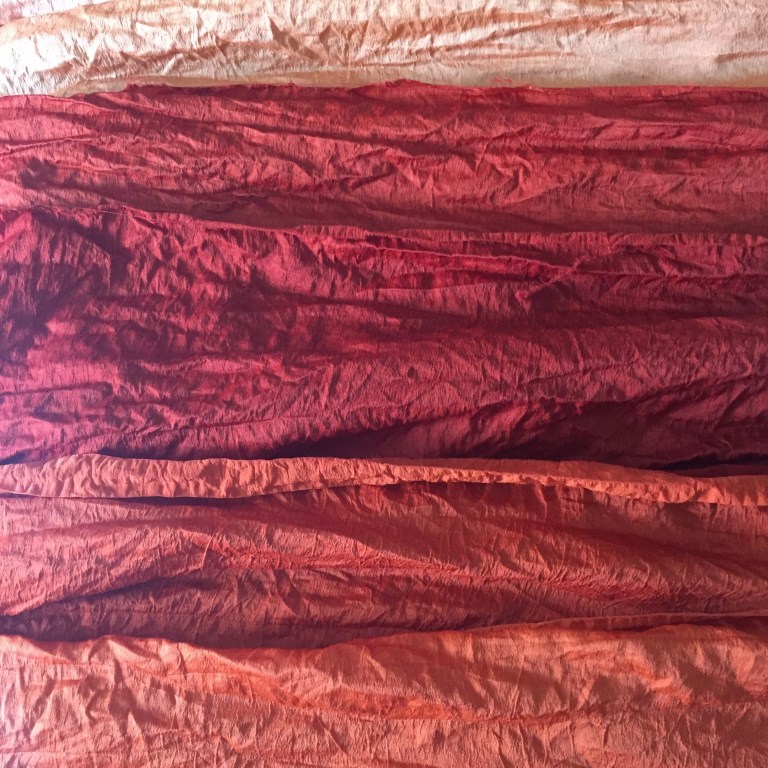
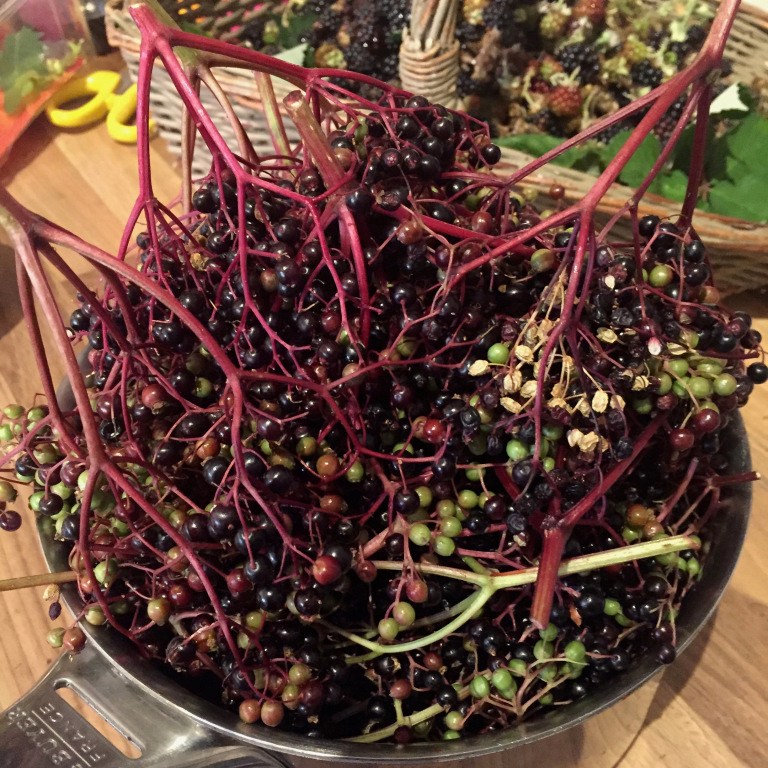
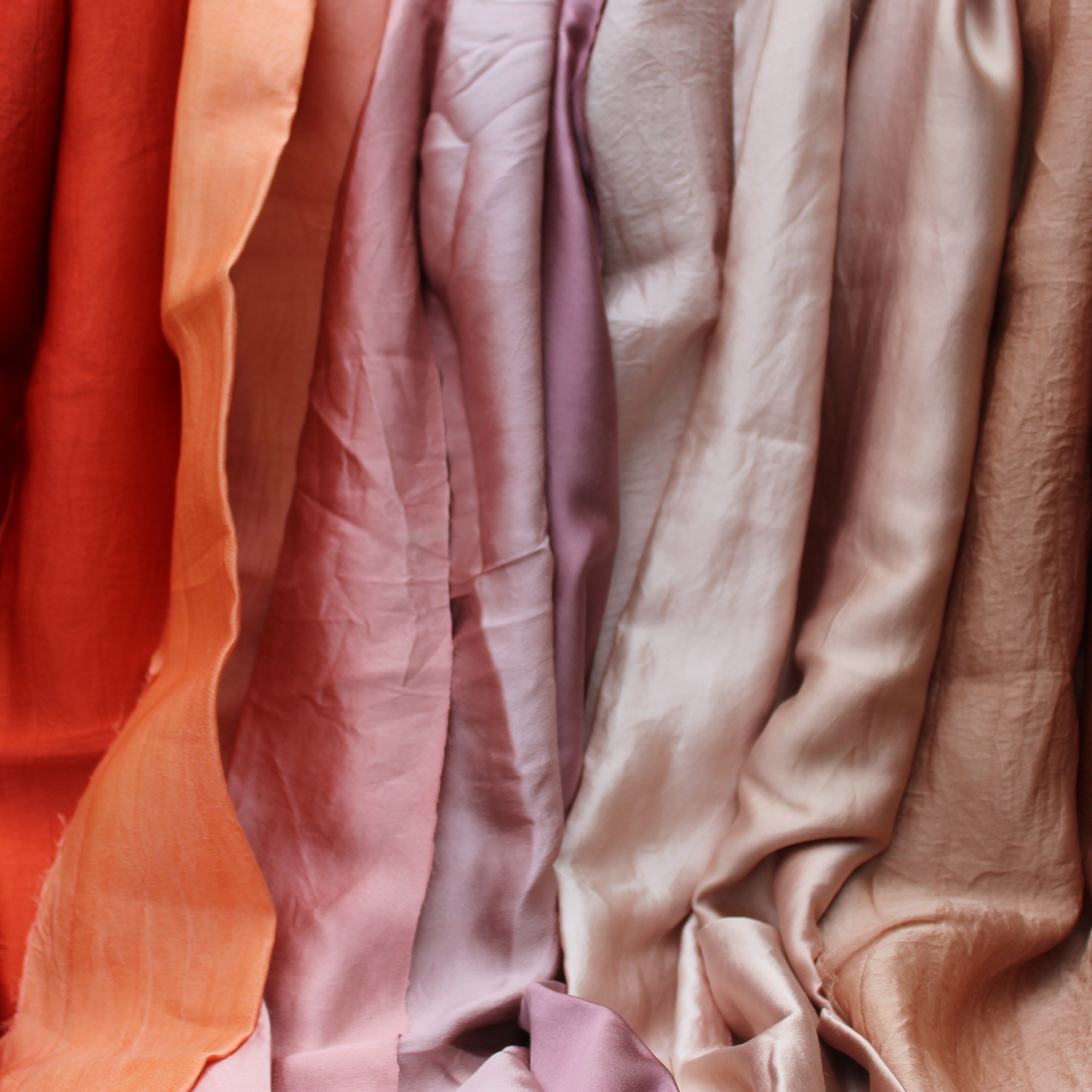
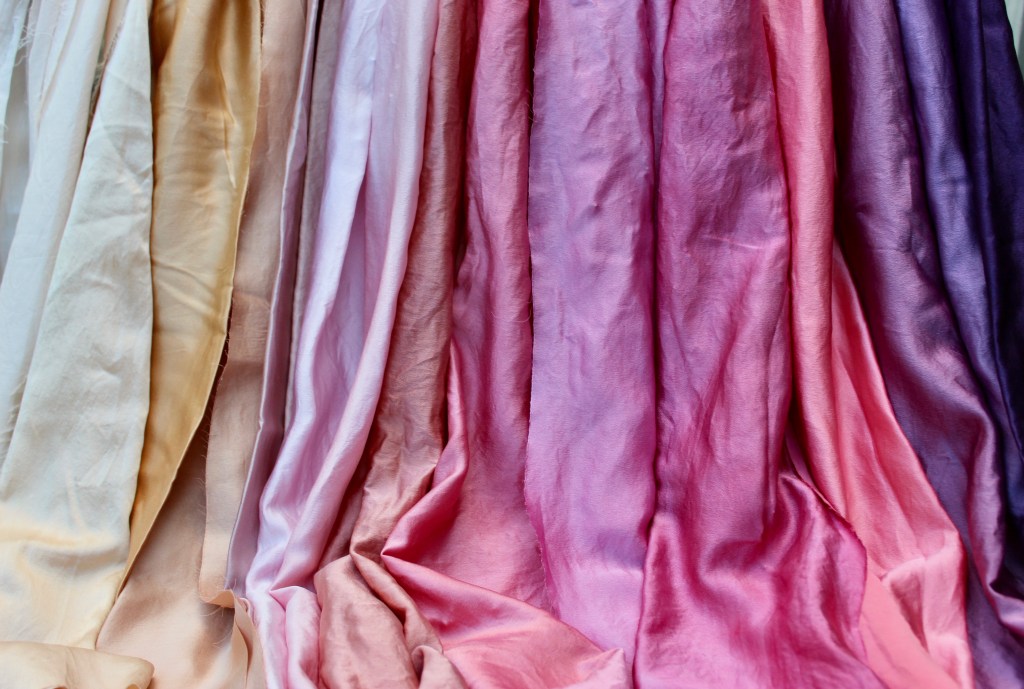
The dyers circle is a collaborative circle of colour experts specialising in sustainable alternatives to petro-chemical colour. We work together to explore cleaner, toxin-free dyes and safer, plant-based mordants. Our ambition is to create awareness of the amount of chemicals used in traditional dye methods, and the environmental risks of continuing to use fossil-fuel based dyes. We offer plant-based solutions that are rich, complex and diverse, safer to use and much safer for our planet; preserving aquatic life and biodiversity.
We are a non-profit association, and all work as a collective, contributing our research and expertise on a volunteer basis for the communal good. The information we offer is on open platform, available to all as Collective Commons, please use it to change your practise and make textiles cleaner for all. If you would like to join us and be part of our movement, please contact us: indigojacquelineandrews@gmail.com
If you would like to use us as consultants to help your brand become toxin-free, please address your needs and requirements to Jackie who co-ordinates the circle and will pull a network of specialists together for you.
“Colour-like sound and scent-is just an invention of the human mind responding to waves and particles that are moving in particular patterns through the universe.”– Victoria Finlay
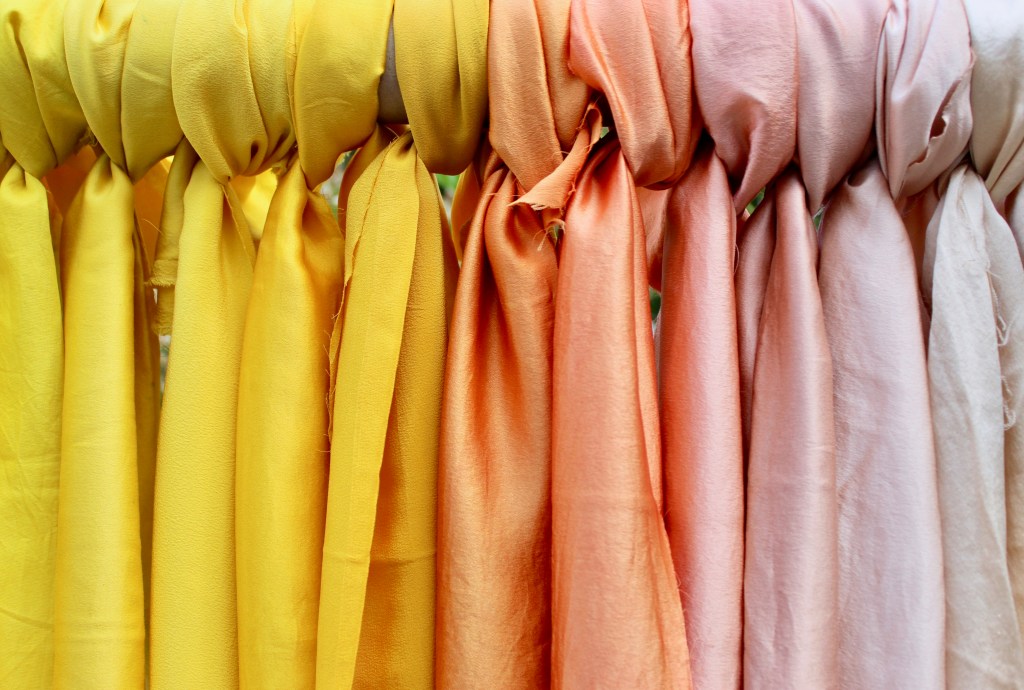
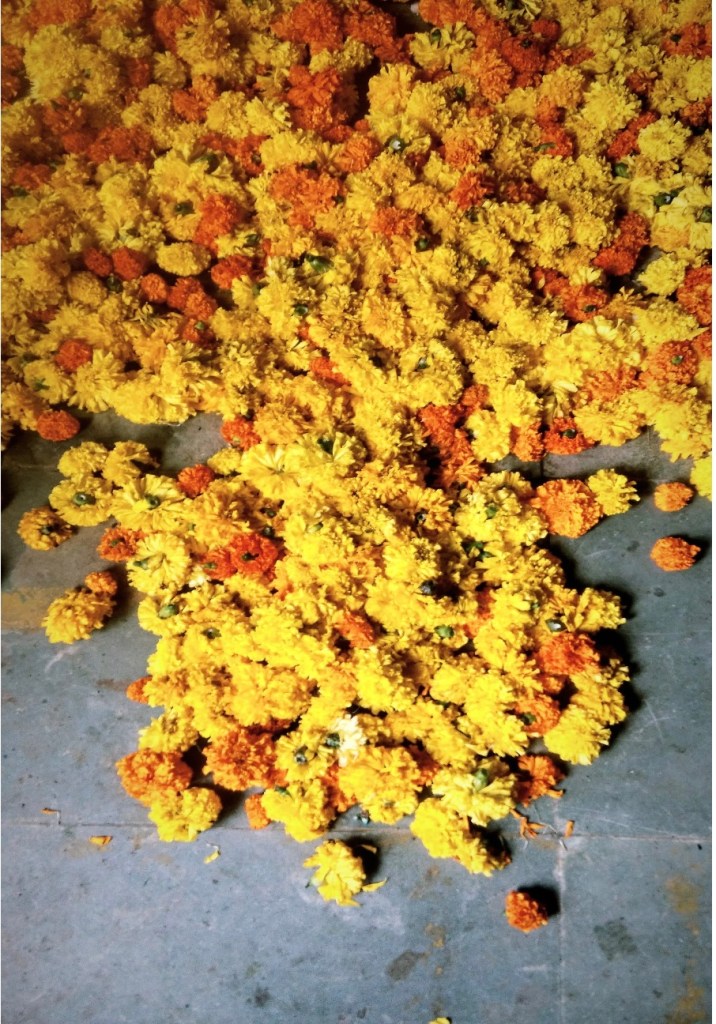
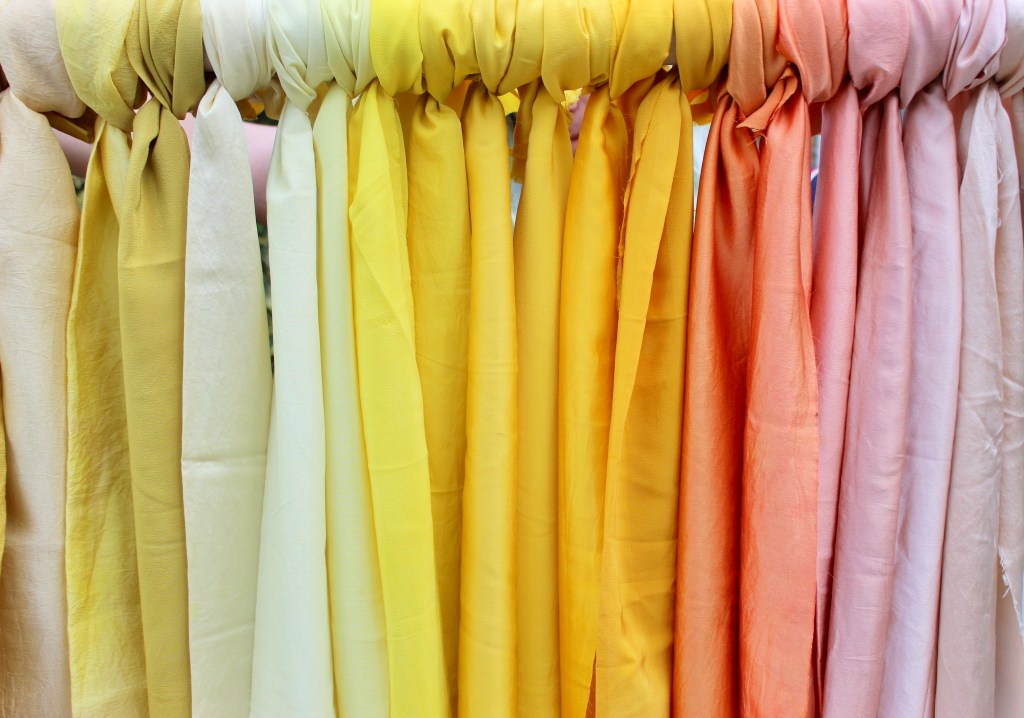
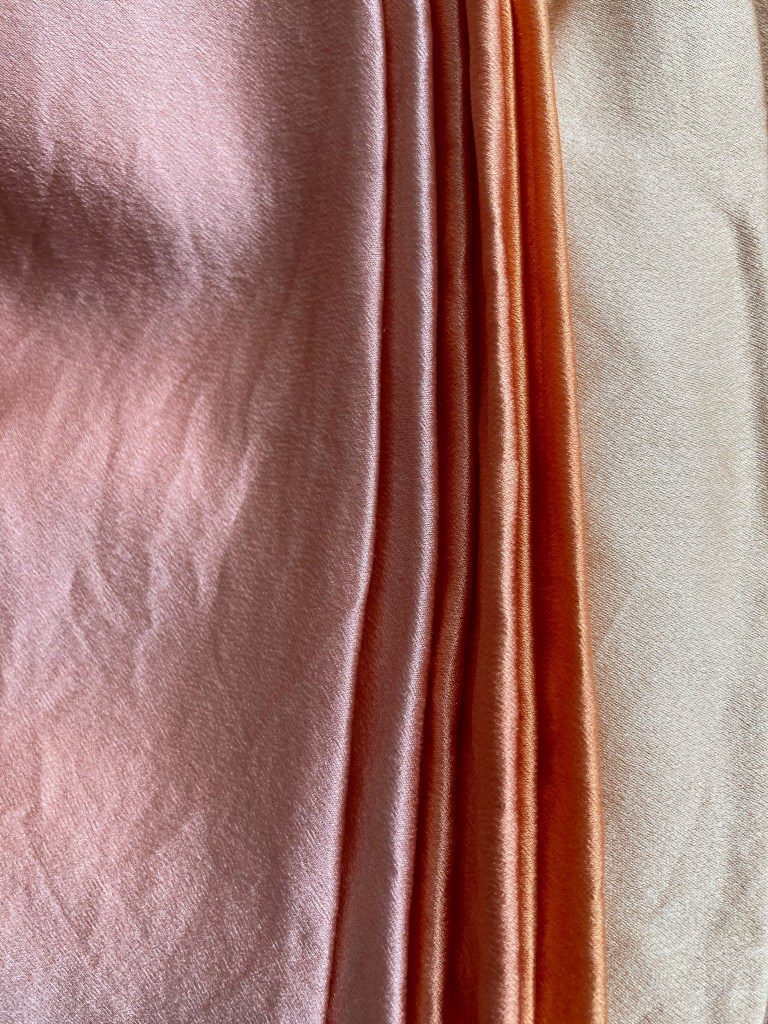
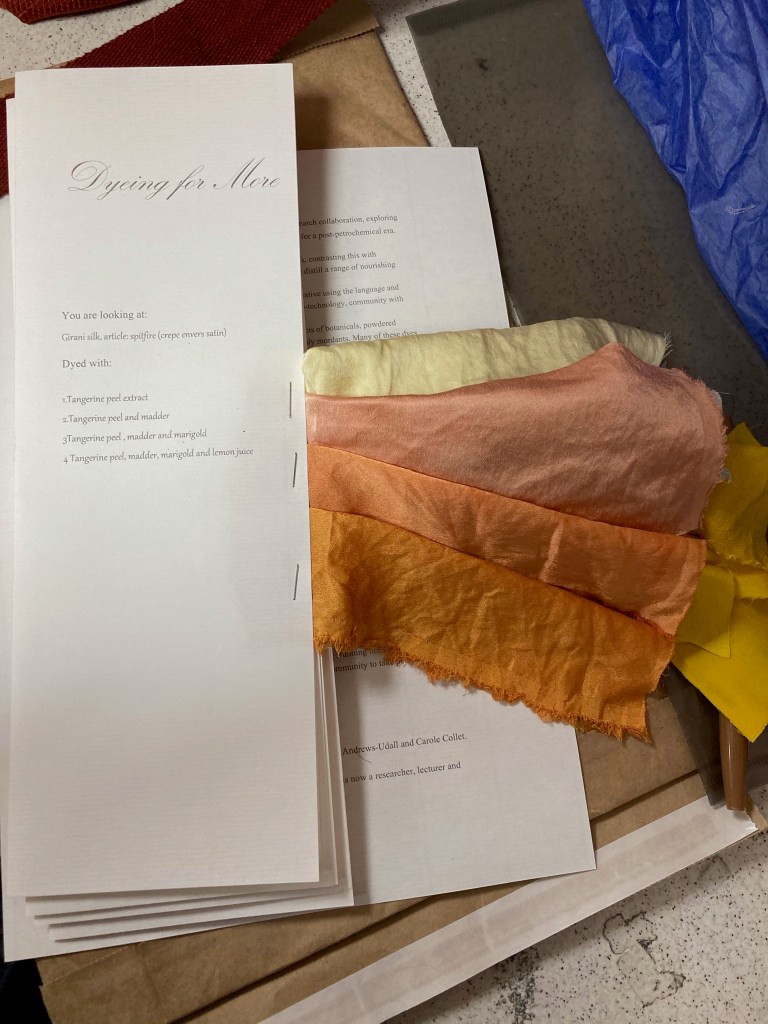
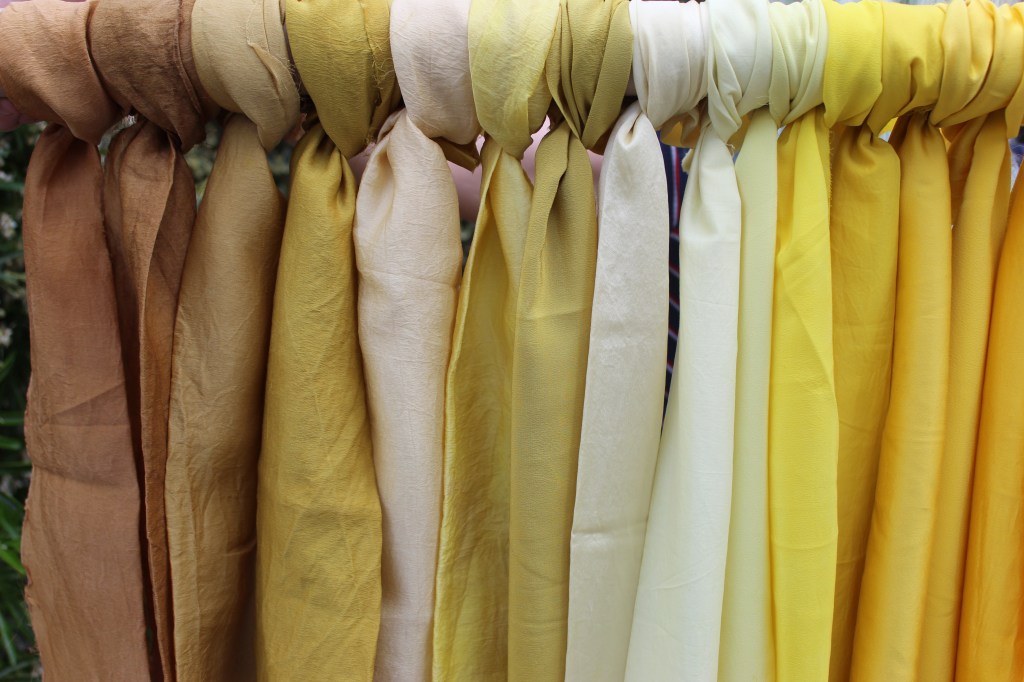
The Dyers’ Circle aims to use the ingenious energy of colour to infuse positive change within our industry: we aim to bring together colourists and dyers, as well as historians, designers and all those who work with dyed fabric, and those who specify and commission coloured cloth.
As we try to reboot production during this pandemic, we observe from all corners that the “post-corona-sapiens” is crucially aware of man-made degradation of the natural world. The textile industry is often quoted as being the second largest polluter of Earth’s waterways, with “dyeing and finishing” being the most significant process impacting on climate change[1]
The current environmental crisis, where we face such a mass loss of biodiversity, excessive greenhouse gas emissions in the biosphere and persistent organic pollutant release in our waters; requires us, as an industry creating the beauty of colour, to radically change our ways with urgency.
We cannot continue to dye as we do now, the sustainability imperative we face imposes change.
Every ancient civilization developed its own dyed textiles. Dyes are symbolic of their era and owner; each different culture around the globe evolved their own usage of available plants and dyestuffs to make colour and dye their clothes. We have practised botanical colouring for over 5000 years, with trade since the 16thcentury increasing a vast exchange of logwood, madder and indigo across the Atlantic and through Persia to deepen and enhance our palette, with some dyestuffs valued as much as gold. Natural dyers who mastered their art with refinement caught the eyes of kings and were sought after by European courts. Colour was a symbol of power. Yet since the industrial revolution and the invention of mauveine in 1856, petrochemical dyes have ruled the market. Today, dyers are mostly unknown, colour is a very small factor in a fabric buyer’s budget and only [2]1% of textiles are dyed naturally, with only rare indigenous pockets of knowledge remaining and botanical dyeing lying in the realm of conservation, restoration and textile art.
Tomorrow however, botanical dyes could be salvaged from history and brought into a post-petrochemical future. We can produce them now from biodynamic agriculture as well as extract pigment from food waste and other urban by-products.
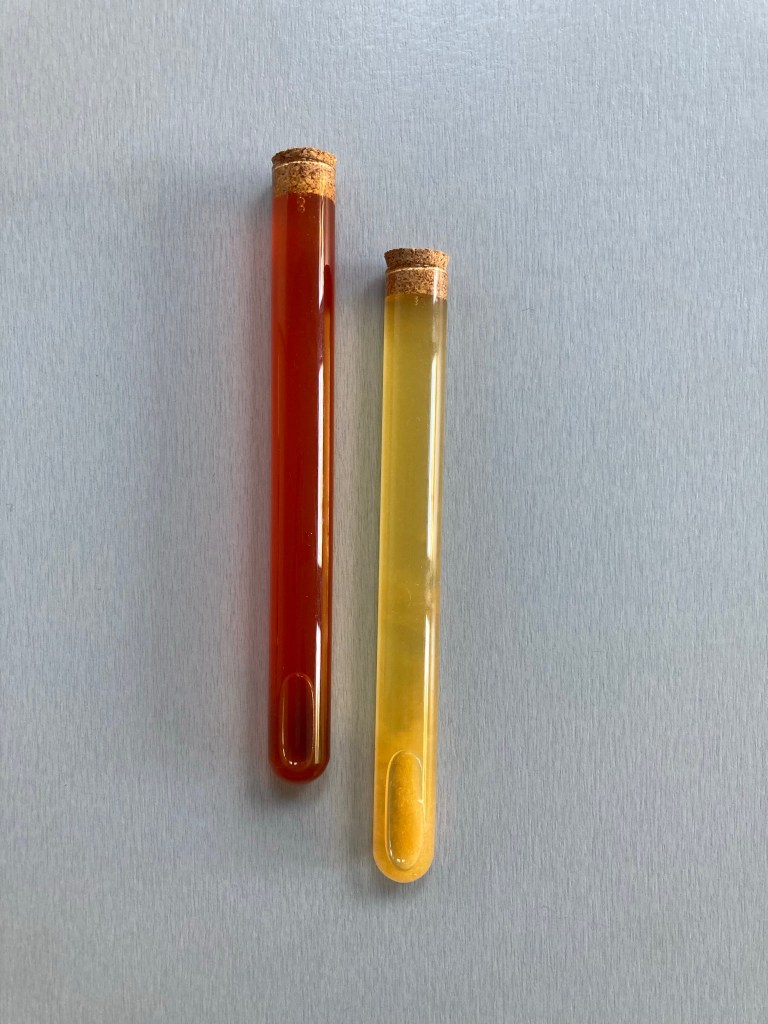
Carbon farming dye plants harvests carbon from the atmosphere through photosynthesis and fixes it into the soil; in the case of indigo, a Leguminosae it also fixes nitrogen simultaneously. We have seen many recent demonstrations of growers regenerating the cultivation of dyestuffs, not only organically but in sustainably restorative ways. Increased experiments worldwide have proven there is a case for repositioning natural, botanical dyes within a sustainable textile market. Thanks to many scientific studies[3], we understand the chemistry of natural dyes more than ever before, in order to guarantee colour consistency and fastness.
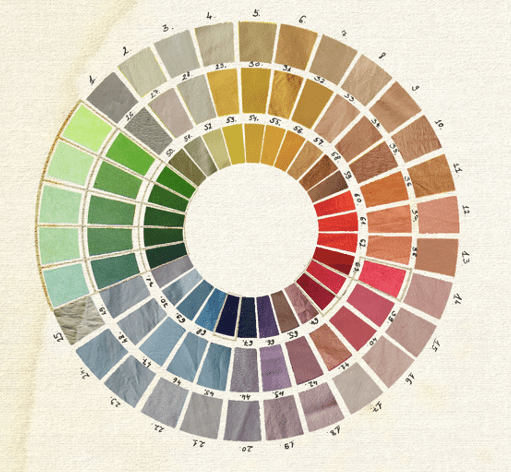
It is time for a complete behavioural shift within our industry; by coming together on our hub, we hope you will upload and exchange knowledge, upload recipes, upload colours, expand our palette, get in contact, discuss solutions, discuss mordants, exchange resource, organise workshops and dye…differently. The hub is a participative, sharing platform, based on resource shared under the Creative Commons. The circle will evolve as we all add our work to it. It is a hub for colour enthusiasts aimed at those who make and work with colour at many different levels.
For more information about this research and how to join the Dyers’ Circle Hub, visit HERE.

[1]UNEP report 2020
[2]S Saxena and ASM Raja: Natural dyes: Sources, Chemistry, Application and Sustainability issues
[3]Ashish Kumar Samanta & Priti Agarwal: Application of natural dyes on textiles, Indian journal of Fibre and Textile Research
 Sustainable Fashion Strategies